

The Business Side of Music Composition and How to Profit
Turning music composition into a business requires more than talent and passion. It involves careful planning, industry awareness, and a willingness to develop new skills. Shifting from creating music for personal enjoyment to building a sustainable career means understanding both the creative and business aspects of the industry.
(Guest Post by Lexie Dy)
Turning music composition into a business requires more than talent and passion. It involves careful planning, industry awareness, and a willingness to develop new skills. Shifting from creating music for personal enjoyment to building a sustainable career means understanding both the creative and business aspects of the industry. A strategic approach will help establish credibility, attract clients, and create long-term financial stability. With the right mindset and preparation, composers can successfully transform their craft into a professional endeavor.
Identify Market Demand
Before you transition from composing music as a hobby to a business, determine whether there is a demand for the type of music services you plan to offer. Research various markets, including film scoring, commercial jingles, streaming platforms, and licensing opportunities. Look into how other composers monetize their work and what pricing structures are commonly used. Understanding demand will help you decide if your work aligns with industry needs or if adjustments are necessary. A business built on market demand is more likely to generate consistent revenue.
Understand Your Audience
Knowing who will pay for your music is essential to shaping your business strategy. Consider whether your target audience includes filmmakers, game developers, content creators, or independent artists. Study their preferences, budget constraints, and the platforms they frequent to consume or purchase music. By identifying their pain points and expectations, you can tailor your services and pricing to better suit their needs. An informed approach ensures your music reaches the right people and resonates with potential clients.
Track Industry Trends
Staying up to date with current trends will keep your compositions relevant and competitive. Follow streaming platforms, social media, and music industry reports to see what styles, sounds, and formats are gaining popularity. Analyze how technology is changing the way music is produced and consumed, such as AI-assisted composition or immersive audio. Pay attention to shifts in licensing opportunities, royalty models, and emerging distribution channels. Adapting to industry trends positions you as a forward-thinking composer with a modern approach.
Build Strong Industry Connections
Networking is essential to gaining exposure and creating new business opportunities. Attend industry events, music conferences, and online forums to connect with professionals who can benefit from your work. Collaborate with artists, producers, and businesses that align with your musical style and goals. Establishing relationships with clients, mentors, and fellow composers can lead to referrals and long-term partnerships. A strong network increases your credibility and helps you navigate the business side of music composition.
Expand Your Business Knowledge
Having strong business skills will set you apart in a competitive industry. Enrolling in courses on marketing, finance, and entrepreneurship will provide the knowledge needed to manage and grow your business. For a structured approach, this is a good choice if you want to go back to school and earn a business degree. A formal education can help you understand financial planning, negotiation tactics, and legal aspects such as copyrights and contracts. The more you learn about running a business, the more control you will have over your career and income.
Evaluate Financial Feasibility
Turning your passion into a business requires a clear understanding of potential costs and profits. Calculate the expenses involved, including music software, equipment, marketing, and distribution fees. Research pricing models used by successful composers in your niche to gauge what you can charge for your work. Consider how long it will take to recover your initial investment and whether your business model is sustainable. A thorough financial analysis ensures you are making an informed decision before committing fully to a music career.
Create a Business Plan
A well-structured plan will provide direction as you grow your business. Outline your goals, target market, revenue streams, and marketing strategies in a detailed document. Identify challenges you may face and plan for solutions, such as diversifying income through multiple services. Set short-term and long-term financial goals to measure your progress. A solid business plan serves as a roadmap for success and can also be helpful when seeking funding or partnerships.
Building a career in music composition is a continuous process of learning, adapting, and refining your approach. Establishing a solid foundation will help create opportunities and ensure long-term success. Each step taken toward professional growth strengthens your position in the industry and enhances your ability to generate income from your work. A business-minded approach allows composers to take control of their careers and navigate the evolving demands of the music world. With dedication and a clear strategy, turning a passion for music into a thriving business is within reach.
Learn more about her composing work and services by visiting Marianthe Bezzerides online today!

Unveiling the Path to Creative Discovery: A Guide for Musicians and Composers
In the realm of artistry, whether it's composing symphonies or crafting visual masterpieces, the journey to getting discovered can be as intricate as the creations themselves. For musicians and composers, the challenge lies not only in perfecting their craft but also in ensuring that their work reaches the right audience. In this article shared by Marianthe Bezzerides, we’ll explore several key strategies that can help musicians and composers elevate their presence in the creative world, all while maintaining authenticity and professionalism.
(Guest Post by Lexie Dy)
In the realm of artistry, whether it's composing symphonies or crafting visual masterpieces, the journey to getting discovered can be as intricate as the creations themselves. For musicians and composers, the challenge lies not only in perfecting their craft but also in ensuring that their work reaches the right audience. In this article shared by Marianthe Bezzerides, we’ll explore several key strategies that can help musicians and composers elevate their presence in the creative world, all while maintaining authenticity and professionalism.
Find Ways to Maximize Your Exposure
Social media platforms have become the modern stage where many artists gain their initial exposure. Platforms like Instagram and Twitter allow for real-time interaction with your audience. Alongside social media, The Pudding says not to underestimate the power of music streaming services. By using algorithms, these platforms can introduce your work to listeners with similar tastes. Technologies like blockchain are revolutionizing how musicians can get paid directly from these platforms, removing the middlemen in the distribution chain.
Build a Captivating Portfolio
The Mix notes that creating a portfolio is akin to crafting your musical compositions—it requires thought and a touch of creativity. Websites offer an ideal platform for this, with website-building tools that require no coding experience. Artificial intelligence can help curate your portfolio by analyzing which pieces resonate most with your audience, helping you make data-driven decisions on what to showcase.
Promote Yourself with Video
Using video is a powerful way to market yourself as a musician, giving potential fans and industry professionals a glimpse of your talent and style. Host videos on your website to provide a professional, centralized platform for your music. Additionally, feature these videos on social media accounts like YouTube and Instagram to reach a wider audience, engage with followers, and build your brand. Regularly posting content will keep your audience engaged and help grow your fan base.
Embrace Business Knowledge
A sound understanding of the business side of the music industry is indispensable. Fortunately, online courses make it easier than ever to acquire knowledge on topics like contracts, copyright laws, and marketing. Customer Relationship Management (CRM) software can help you keep track of your interactions with clients, industry professionals, and even fans, helping you form and maintain essential connections.
Apply for Gigs with Confidence
When applying for gigs as a musician, it's important to showcase your experience and talents in a polished, professional way. Before submitting applications, create a standout resume that highlights your skills and performances by using a free online resume template. With a free resume generator to set yourself apart, you can choose from a variety of professionally designed templates and customize them with your own copy, photos, colors, and images, ensuring your resume reflects your unique style and helps you land more opportunities.
Collaborate and Network
Partnering with other creatives opens the door to new possibilities and audiences. Collaborative software like digital audio workstations (DAWs) that allow multiple users to edit projects in real-time can facilitate this process. Whether you are co-composing a symphony or working on an interdisciplinary project, these platforms can be invaluable.
Create a Multi-Purpose Studio Space
In the comfort of your home, a dedicated studio space can significantly affect your productivity and creativity. Smart home technology can turn your studio into an efficient workspace, with intelligent lighting, soundproofing, and even climate control designed to keep you in the creative zone. When you’re updating your home, remember to take notes, log changes, and keep receipts. These changes could improve the overall value of your home should you decide to sell.
The journey to creative discovery for musicians and composers is a multifaceted one. By embracing these strategies, you can navigate the path with authenticity and professionalism. Remember, the key lies not only in showcasing your talent but also in fostering meaningful connections within the artistic community. As you embark on this voyage, may your compositions find the audience they truly deserve.
For composition services for film, television, and multimedia, contact Marianthe Bezzerides today!

Transform Creative Ideas into Lasting Success and Growth
Creativity is not just a talent; it’s a vital skill that can transform both personal and professional landscapes. In a world where innovation drives progress, finding ways to enhance your creative abilities can lead to remarkable achievements.
(Guest Post by Lexie Dy)
Creativity is not just a talent; it’s a vital skill that can transform both personal and professional landscapes. In a world where innovation drives progress, finding ways to enhance your creative abilities can lead to remarkable achievements. Whether you’re seeking to enrich your personal life or advance your career, tapping into your creative side can open new doors and present exciting opportunities. This article delves into practical strategies to invigorate your creativity, offering insights that can lead to a more fulfilling and successful journey.
Unlock Your Creative Potential with Online Career Transition
Changing careers can be a powerful way to reinvigorate your creativity, offering fresh challenges and new perspectives. For those balancing work and education, earning a degree through an online program provides the flexibility needed to manage both effectively. Pursuing an IT degree, for instance, can help you develop career-relevant skills in areas such as information technology, cybersecurity, and data management. To explore options that align with your career shift, you can review an overview of information technology degrees to find the right fit for your aspirations.
Boost Your Creativity with Color Psychology
Did you know that the colors in your workspace can significantly impact your creativity and productivity? Incorporating specific hues, such as blue for its calming effect or yellow for its joyful energy, can stimulate creative thinking and maintain focus. By intentionally using these colors in your environment—through paintings, desktop backgrounds, or even colored pens—you create a balanced atmosphere that fosters both calmness and energy. This strategic use of color psychology not only enhances your creative output but also contributes to a more productive and satisfying work experience.
Increase Your Creativity with Ergonomic Furniture
Transform your workspace into a hub of innovation by incorporating ergonomic furniture. Choosing furniture that supports proper posture, such as ergonomic chairs, can reduce the risk of musculoskeletal disorders and improve blood circulation. This not only alleviates discomfort from prolonged sitting but also fosters a more conducive environment for creative thinking. Customizable ergonomic furniture allows you to tailor your workspace to fit your personal style and needs, making it a worthwhile investment.
Revitalize Your Mindset with Gratitude
Shifting your focus from challenges to the positive elements in your life can be as simple as creating a gratitude list. By regularly noting what you’re thankful for, whether in a journal or a digital format, you nurture a habit of recognizing the good around you. Supported by positive psychology, gratitude can enhance mental health and improve overall well-being. Adding a new item to your gratitude list each day broadens your awareness of life’s blessings and cultivates a more optimistic outlook, potentially leading to better relationships and increased life satisfaction.
Unlocking Creativity Through Journaling
Using a journal to set and track your goals can be a transformative tool for boosting creativity. By breaking down your ambitions into manageable steps, you create a clear path to success. Research by Dr. Gail Matthews at the Dominican University highlights that writing down your goals can significantly increase your chances of achieving them. This method not only helps maintain focus but also allows you to anticipate challenges and devise strategies to overcome them. Regularly updating your journal keeps you accountable and motivated, enhancing your creative output and overall performance.
Unlocking Creativity Through Panel Discussions
Panel discussions are a powerful way to expand creative thinking by exposing participants to diverse viewpoints and approaches. They gather professionals from different disciplines, offering fresh insights that challenge conventional ideas. Interactive Q&A sessions encourage deeper engagement and fuel innovative thought processes. Connections formed with speakers and attendees often open doors to meaningful collaborations and new opportunities. The blend of shared expertise and networking can ignite transformative ideas and strategies.
Unlocking Creativity Through Networking Mixers
Networking mixers offer a relaxed setting where you can have informal conversations that often lead to unexpected brainstorming sessions. Unlike traditional business meetings, mixers bring together individuals from various fields, encouraging the exchange of ideas that can lead to innovative solutions. For entrepreneurs, these gatherings are a goldmine of opportunities to present their ventures and potentially attract investors or partners. Even if you’re a student or new to the industry, mixers provide a valuable opportunity to learn from seasoned professionals and hone your networking skills, paving the way for future success. Discover more about how networking mixers can transform your journey.
Creativity is a journey, not a destination. By embracing diverse strategies and environments, you can continuously nurture your creative spirit. Whether through education, environment, or community, each step you take enriches your path. As you explore these avenues, remember that creativity thrives on curiosity and openness. Let these insights guide you toward a more vibrant and innovative future.
Discover the evocative musical world of award-winning composer Marianthe Bezzerides, whose work spans films, video games, and TV. Visit marianthebezzerides.com to explore her dynamic compositions and collaborations.

Unveiling the Path to Creative Discovery: A Guide for Musicians and Composers
In the realm of artistry, whether it's composing symphonies or crafting visual masterpieces, the journey to getting discovered can be as intricate as the creations themselves.
(Guest Post by Lexie Dy)
In the realm of artistry, whether it's composing symphonies or crafting visual masterpieces, the journey to getting discovered can be as intricate as the creations themselves. For musicians and composers, the challenge lies not only in perfecting their craft but also in ensuring that their work reaches the right audience. In this article shared by Marianthe Bezzerides, we’ll explore several key strategies that can help musicians and composers elevate their presence in the creative world, all while maintaining authenticity and professionalism.
Find Ways to Maximize Your Exposure
Social media platforms have become the modern stage where many artists gain their initial exposure. Platforms like Instagram and Twitter allow for real-time interaction with your audience. Alongside social media, The Pudding says not to underestimate the power of music streaming services. By using algorithms, these platforms can introduce your work to listeners with similar tastes. Technologies like blockchain are revolutionizing how musicians can get paid directly from these platforms, removing the middlemen in the distribution chain.
Build a Captivating Portfolio
The Mix notes that creating a portfolio is akin to crafting your musical compositions—it requires thought and a touch of creativity. Websites offer an ideal platform for this, with website-building tools that require no coding experience. Artificial intelligence can help curate your portfolio by analyzing which pieces resonate most with your audience, helping you make data-driven decisions on what to showcase.
Promote Yourself with Video
Using video is a powerful way to market yourself as a musician, giving potential fans and industry professionals a glimpse of your talent and style. Host videos on your website to provide a professional, centralized platform for your music. Additionally, feature these videos on social media accounts like YouTube and Instagram to reach a wider audience, engage with followers, and build your brand. Regularly posting content will keep your audience engaged and help grow your fan base.
Embrace Business Knowledge
A sound understanding of the business side of the music industry is indispensable. Fortunately, online courses make it easier than ever to acquire knowledge on topics like contracts, copyright laws, and marketing. Customer Relationship Management (CRM) software can help you keep track of your interactions with clients, industry professionals, and even fans, helping you form and maintain essential connections.
Apply for Gigs with Confidence
When applying for gigs as a musician, it's important to showcase your experience and talents in a polished, professional way. Before submitting applications, create a standout resume that highlights your skills and performances by using a free online resume template. With a free resume generator to set yourself apart, you can choose from a variety of professionally designed templates and customize them with your own copy, photos, colors, and images, ensuring your resume reflects your unique style and helps you land more opportunities.
Collaborate and Network
Partnering with other creatives opens the door to new possibilities and audiences. Collaborative software like digital audio workstations (DAWs) that allow multiple users to edit projects in real-time can facilitate this process. Whether you are co-composing a symphony or working on an interdisciplinary project, these platforms can be invaluable.
Create a Multi-Purpose Studio Space
In the comfort of your home, a dedicated studio space can significantly affect your productivity and creativity. Smart home technology can turn your studio into an efficient workspace, with intelligent lighting, soundproofing, and even climate control designed to keep you in the creative zone. When you’re updating your home, remember to take notes, log changes, and keep receipts. These changes could improve the overall value of your home should you decide to sell.
The journey to creative discovery for musicians and composers is a multifaceted one. By embracing these strategies, you can navigate the path with authenticity and professionalism. Remember, the key lies not only in showcasing your talent but also in fostering meaningful connections within the artistic community. As you embark on this voyage, may your compositions find the audience they truly deserve.
For composition services for film, television, and multimedia, contact Marianthe Bezzerides today!
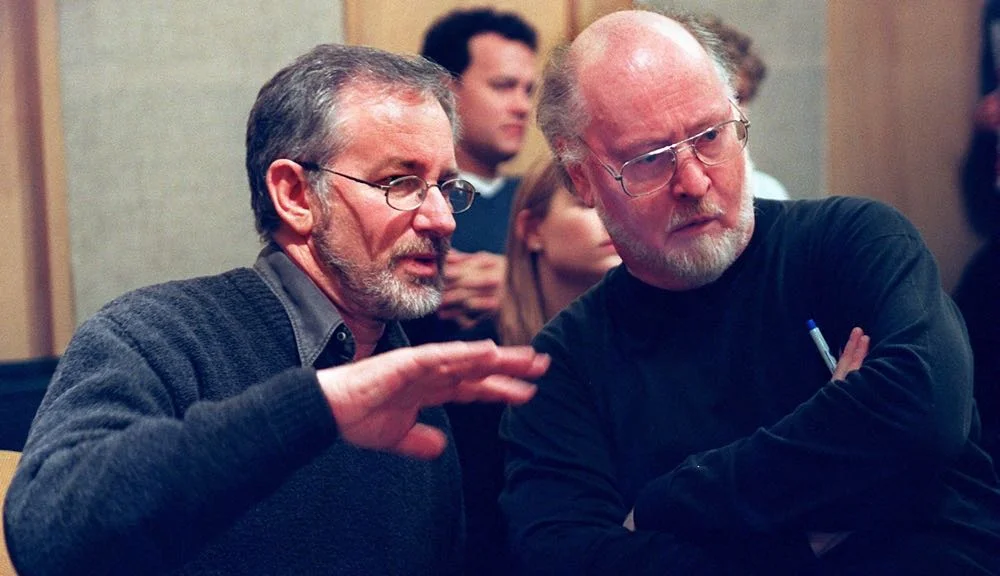
Composer and director relationships - how do you know if you have a good one?
Filmmaking is in part, about relationships. And one important relationship is between the two people that bring music and picture together, aka the composer and director.
Music is such an important part of the film. It helps support the storyline, conveys emotions and helps to set the tone and mood of the film. It’s closely related to the pacing set by editing, and overall is an integral part of any film. So, the relationship between the director, whose every effort is put forward to convey the best version of the film they can, and the composer is super important. While there are other people the director needs to work closely with (the DP, editor, Assistant director and producer, just to name a few) I would go out on a limb and say that the relationship between the director and composer is one of the most important to get right.
Once a director and composer find each other, how do they know if the working relationship is going to…. well, work? In my experience working with directors, the best collaborations I have had all generally have had the same things in common.
One of the things that I found to be a good sign, is when there is mutual respect of each other’s work, and with that, an understanding of what each person brings to the table. Without a film, there would be no film score, and without a composer, a film would have no sonic accompaniment. Since I’ve been working primarily in the independent world, I know that the directors I’ve worked with wear different hats at varying times. Not only did they probably write the script, they are often responsible for hiring the actors and the other crew they will need, depending on what the producer is handling. It takes an incredible amount of hard work and grit to go from an idea to a finished project, and I have an enormous amount of respect for what they accomplish. If a composer has respect for a director’s work and there is an understanding of how the composer can enhance the film and the director has the foresight and ability to acknowledge what the composer brings to the table, then that is a good sign that the relationship has a strong footing.
In addition to all of the creative aspects of the film, there is quite a lot of people management to deal with. The last thing a composer should be, is one of the difficult people a director needs to deal with! So, while this point falls a bit more on qualities a composer should have, I would say a healthy collaboration is comprised of people whom aren’t difficult to work with, but are cognizant of how to get things done in a timely manner. After all, the goal of this is to create something magical, and if there is animosity between two people, that is probably going to come out in the final product! When a director and composer are getting to know each other, it should be easy-going and almost like a budding friendship, because at the end of the day, despite the fact that one person is hiring another person for their creative services, you’re both human beings, and its going to be a better collaboration if you treat each other as if you could be friends.
As is the case with any relationship, communication is key. Whether its communicating deadlines, discussing spotting notes, or staying organized with revisions, maintaining solid communication during the film scoring process (and even before and after) is a really important thing to have to make a director-composer relationship work well. I’ve had some fantastic communication experiences, and then a couple not so great ones, and I definitely learned from all of them!
Finally, and this one is the most nuanced but very important, is that the director and composer need to be on the same page creatively. Maybe they don’t need to both be working in identical genres, but there should be a clear understanding, on the part of the composer, of what the director is looking for musically and emotionally for their film, and a director, hopefully has some vision for what the music should be doing, even if they don’t have a lot of examples or know exactly what they want. Formulating what is going to be written and where is a process that takes some time to determine over the course of many conversations, so it’s ok if the two don’t have all of the answers immediately. I’ve worked with some directors that knew exactly what they wanted, and others that gave me a largely blank slate to work from. And both situations can be really wonderful and productive.
There have been some incredibly fruitful director – composer relationships. Here are the most well known!

What inspired you?
There’s always a pivotal moment that inspires someone to pursue their passion. My passion for film scoring was inspired by one film score.
I grew up in a small town in New Mexico. When you grow up in a small town, pop culture will make its way later than when it first comes out on the coasts or in big citites. We had a movie theater, which I went to as much as I could (back then a movie was only $5!). And my family had a routine for many years where my brother and I would walk to the movie store up the street every Friday and pick out a movie for us all to watch. We even rented a Nintendo from that video store every so often and my bro and I’d play duck hunt for 3 days straight. But we didn’t have more than 7 TV stations, two of them being in Spanish (what’s cable?!) so I didn’t grow up watching MTV or Saturday Night Live regularly. I probably missed quite a lot of popular culture from the 80’s and 90’s. Ok, let’s be honest, other kids growing up in small towns could have learned more about pop culture than me, but considering that my parents didn’t get a normal sized TV until I was about 10, we spent a lot of time watching things on a black and white TV that was about 5 x 5 inches.
I did listen to a lot of music though, regularly borrowing CD’s from the library and listened to a whole lot of classical music scores. Some of my favorite composers were Rachmaninoff, Chopin, Brahms, Sibelius, Debussy, Ravel, Stravinsky, Prokofiev, Beethoven and Holst. I listened to a lot of piano and orchestral scores.
From a young age, I played piano and violin, performing regularly in ensembles, orchestras, solo competitions and composed some award-winning piano pieces. Like every kid, I contemplated my career choices in life and they ran the gamut from archaeologist, doctor, zoologist, firefighter (I can thank the movie Backdraft for this one), astronaut, environmental lawyer (this one actually wove through my first year of college), and of course, film composer. All of my ideas seemed somewhat practical, well, maybe not an astronaut. But hey, a kid growing up in a town where 80 percent of the residents work at a National Science Laboratory might not be without some weird inspiration by osmosis. So I thought to myself, I’ll go into music, and if it doesn’t work out, my backup plan will be to become an environmental attorney.
There was a really specific movie and score that compelled me to want to become a film composer. And it may have been accentuated by the fact that the film took place in San Francisco, which again, living in a small town in the middle of New Mexico, and only getting to see California occasionally was a film that satisfied two of my fascinations; The West Coast, and music.
Sneakers, directed by Phil Alden Robinson and starring Robert Redford, Dan Aykroyd, David Strathairn, and Sidney Poitier. It’s a story about a misfit group of computer and tech geniuses that each have their own checkered pasts with law enforcement. Because they have a very specific skill sets, AND they are not really able to have regular jobs, they create a business where they’re hired to break into banks to show how banks can improve their security. Martin Bishop, played by Robert Redford has his criminal past used against him, and as a result, they get embroiled in a risky scheme involving secret government agencies (or they think that’s what they are) and some other unsavory characters working for the mob.

The music was written by the late James Horner who wrote a beautifully evocative and unique score that perfectly set the backdrop for the tense thriller. There is a trumpet motive played by Brandford Marsalis that weaves in and out through the entire score. The trumpet is never bombastic or blaring, it’s quite literally like the sound of a female solo, which marries well with rest of the orchestra. In fact, one of the main layers is a female choir that never sings audible words but instead acts as another timbral layer. It’s at times emotional, percussive, tense and emotive of underlying trajectories that are understated but quite dynamic. One of the things that I think is so effective about the score is that the intricate rhythmic and aural layers are minimalist and create a very haunting feeling while at the same time conveying a sense of adventure, wonder and interest. In typical minimalist music, there is a slow burn when it comes to the harmonic trajectory, but in Horner’s score, some of the best aspects of minimalism (an ostinato and repetitive rhythmic layers) are combined with incredibly cinematic sequences where the tension builds continuously, created by only a few elements.

“Too Many Secrets” Martin and his cohorts discover that the Black Box they retrieved for who they think is the NSA is really a master codebreaker.
It has some of the most memorable tunes I’ve ever heard, and clearly they stuck with me over the years because I can probably hum most of them. The moment that sticks in my brain the most clearly as being the moment where I thought, hey this would be a fun profession, was a scene where Robert Redford is dropped off (rather forcefully) out of the car of a couple of these unsavory characters after he was driven somewhere in the back of a trunk. They’ve been out driving all night and its early morning in San Francisco. The car drop-off takes place at the top of one the cities many steep streets, and with the bay and the Golden Gate bridge in the background, its quite a beautiful shot supported beautifully with the music without trying to be too dramatic, or maudlin, but just existing for what it is. I thought to my young self, I want to do this kind of stuff.

Martin and Cosmo talking about the past and the future where their youthful dreams have deviated from one another’s visions.
At a young age, I knew that concert music writing wasn’t going to be what did it for me.Despite the fact that I listened to more classical and concert music, than I did film scores, mainly again, because of that whole small town phenomena.There were just more classical scores at the library than film scores.But nonetheless, this score made a big enough impact on me that the idea was planted in my brain to follow this career pursuit.Now, was it the most practical?Well, that’s for probably another blog post.It’s always important to start your dream somewhere.
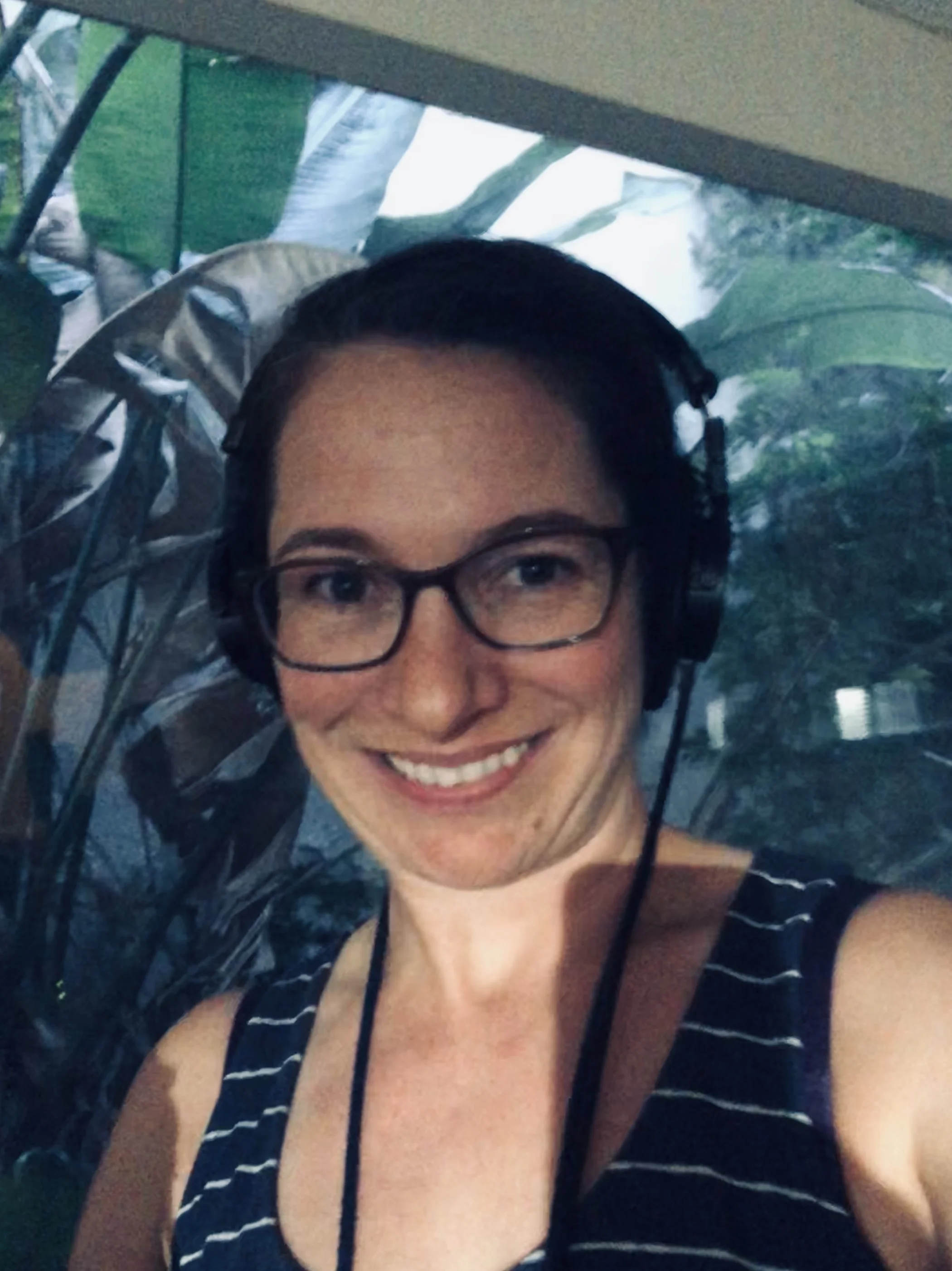
That one time I moonlighted as a sound recordist.
I was asked to do the on set sound for a short film, a sci-fi drama written and directed by the ever-talented, Taegen Carter, whom I’ve worked with several times before. Not only was I going to do the music, I was asked to record the sound which I gladly jumped at the chance to do. What other way to actually be on set and participate in the production of a film than to be working on one part of a film I would be working with on the post side anyways? So what follows is my observations on the entire experience.
Recording on set sound for the film, Variance
Los Angeles Shoot
Day One:
The boom mic can get quite heavy! At first, I was panicking internally because I thought “no way in hell I’m going to be able to do this for 3 days straight, and then again in Oregon.” But there are some tricks to holding the boom mic, one thing is that it is possible to balance it on one’s head. Well that works until I realized that it’s entirely possible that the boom pole is picking up the weird creaky sounds that are coming from the headphones and traveling up boom pole and being recorded into the mic. So that technique was short-lived. We were doing a wide angle shot so I had to keep the microphone and boom out of the frame, as well as my arms. To give me a vertical boost (I’m just 5’4”) the DP gave me two apple boxes to stand on which made it possible for me to keep everything, including my arm out of the frame. As long as I was careful to not bump the mic on the slats in the ceiling in the garage we were shooting in, everything would be fine. Just fine! So in between takes I could rest my arms, and then just have to be “on” for the scene, which wasn’t very long. It’s really interesting to see the process of the director coaching the actors, and the variations between each takes.
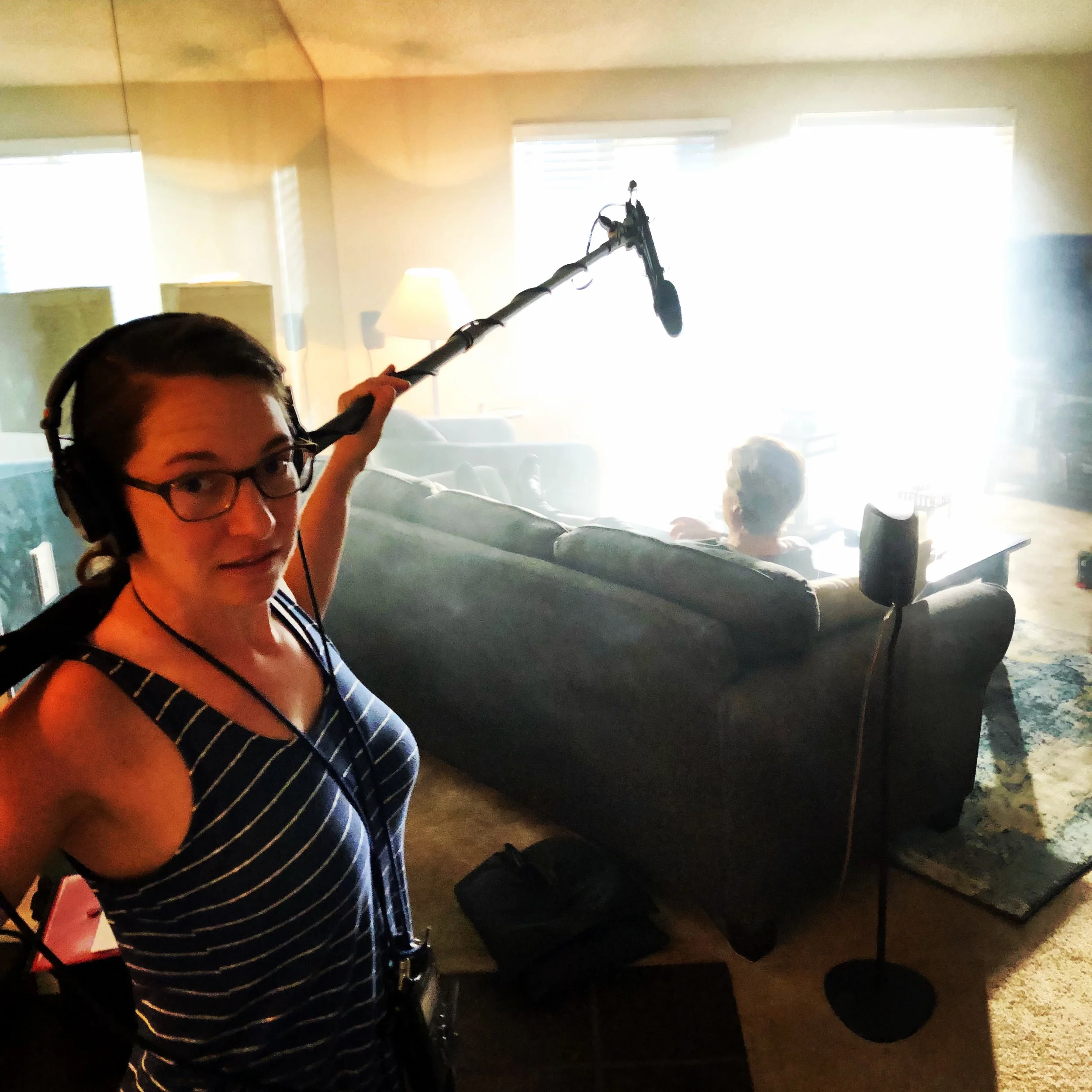
Holding the boom mic, good thing I work out.
Day Two:
Day two went smoother for me, as I was able to navigate the boom pole better and figure out how to hold it in a way that wasn’t as tiring. We did a lot of daytime shots in the kitchen and I had to do some back and forth recording of the dialogue from different angles. The process is so much fun to see it all come together, especially since each shot is carefully planned out by the director and the lighting and framing of each shot is a combined effort put forth by the director, DP and gaffer. When you watch a film, you may not even think about the different angles that the actors are shot in, but literally everything is planned out down to the most minute detail.
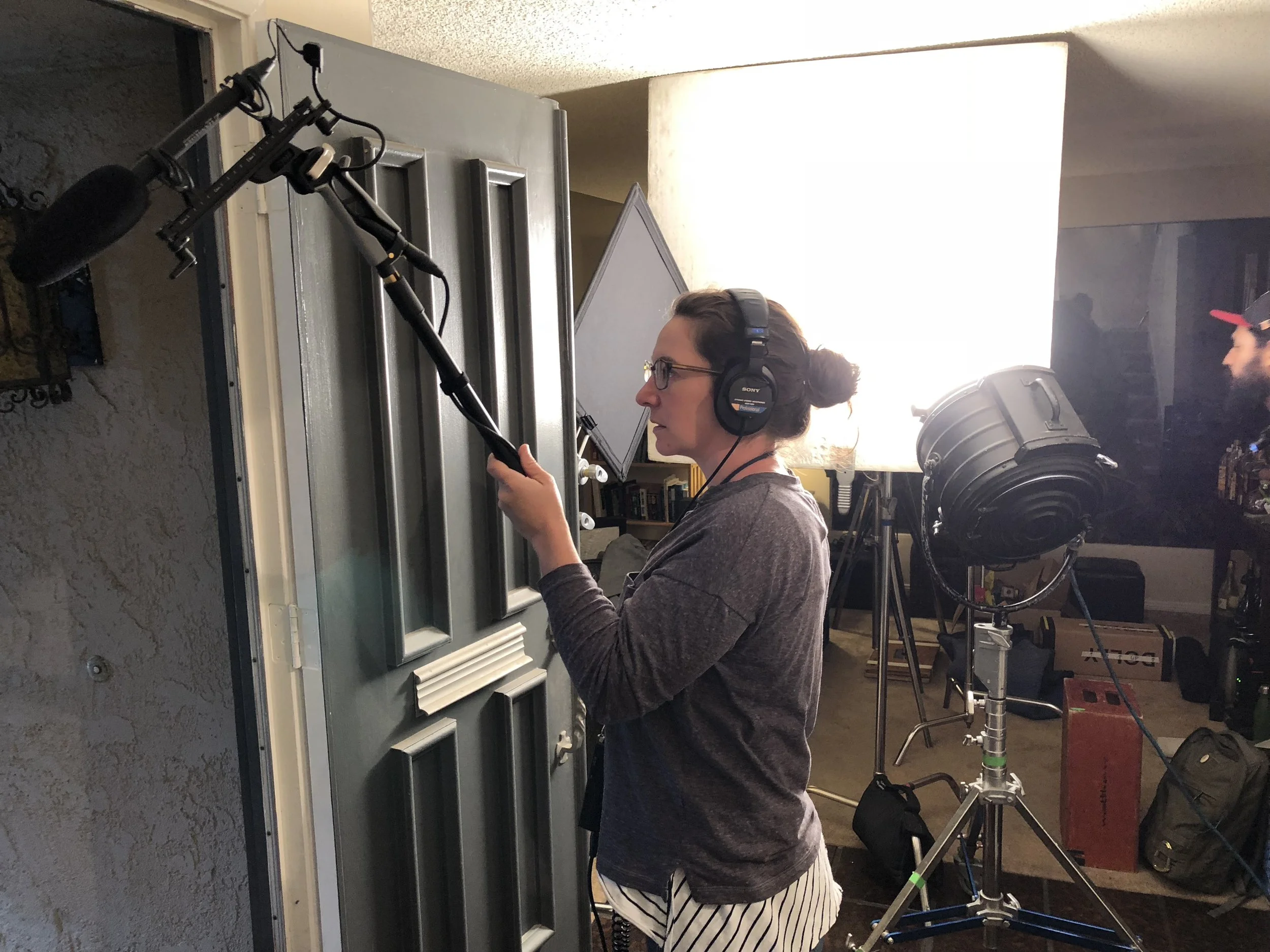
Steady…..Steady…..
Day Three:
Well I am just a pro at this now! It certainly helps to be a musician and understand a thing or two about audio, but it also helps that I work out at the gym regularly! No but seriously, even though the first day of shooting was probably the hardest, as I was thrown into the whole project with probably the most difficult shot, I would say the fact that I lift weights must help me somewhat in holding the boom pole. There is quite a bit of downtime involved in shooting a film, as the sound person isn’t needed while the director and crew are setting up the shots. While it can be a really long day of overall work, the actual time spent working is much less.
The next time I’ll be recording sound for this film will be in Oregon on a beach! We anticipate some different challenges, while there will only be natural lighting to work with, cutting down on the prep time for each shot, I do think there will be some other things to contend with. One will be the weather as it will be in Oregon, on a beach in December, so I imagine that it’s going to be cold. The other thing is that it’s going to be windy, so we will be putting a “blimp” and what the director calls a “dead wombat” over the mic. The blimp and the dead wombat both serve to block out the sounds of the wind which, if anyone has heard bad sound, is just awful. Think about how when you’re talking to a friend out on a windy beach, how freaking annoying it is to be on the receiving end (no pun intended) of all that whipping wind sound. No Bueno. So luckily, smart people created “blimps” and “dead wombats” (well, actually no one created those in real life, they just died) to combat this potentially sound damaging phenomenon.
Next stop, Neskowin Oregon, for the second part of my experience on the production side of a film!

We made it to Neskowin Oregon! After a super early morning flight with the director, DP and 1st AC, we traveled with 4 equipment cases holding the Red Camera (the director uses a Red Helium which shoots in 8K), lenses, sound equipment and everything else. Because this is an outdoor shoot, we didn’t need to bring anything related to lighting so that makes the transport just a bit more compact. Once we landed, we made our way to Neskowin which is a 2-hour drive southwest from Portland through quite a bit of wooded forest areas. It is almost like a rainforest in this part of the country, albeit a cold one.
Neskowin, Oregon Shoot
Day Four:
We started shooting on the beach in Neskowin! It’s crazy pretty here, albeit the weather will prove to be a challenge for the next three days. It rains intermittently, and it’s cold, and sometimes windy. So, the actors and crew will be really facing the elements and since all of us are used to balmy Los Angeles weather, it’s definitely a contrast. There isn’t a ton of dialogue in this film, so I wasn’t needed the whole time consistently, but I was able to capture some ocean waves and other environmental sounds that could be useful in the film. The mic we were using is super sensitive and directional (a Sennheiser), so I kept hearing what sounded like a rhythmic fluttering. At first, I thought it might have been one of the actor’s ponchos flapping in the wind, but it turns out, after further investigation, that my mic was picking up birds flapping their wings while they bathed in the creek that runs into the ocean! Mystery solved.

This is for realz what it looks like here. Well, the green lens flare is not really there.
Day Five:
The toughest thing about this day of shooting was the cold and the rain, and apparently nearly losing all of the equipment in a crashing wave! I missed this part actually, I was back at the nearby house we rented, enjoying some downtime by the fireplace, but anyways, I was there in spirit. Nonetheless I heard about it, and it was quite a harrowing tale. The DP picked up the camera on the tripod just in time, and the 1st AC dove for the two equipment cases, but they both got quite drenched. Nature just doesn’t care about your expensive equipment, does it? Thankfully the cases are actually waterproof and airtight as the manufacturers know the people would be filming outside. But what a nice little raft they could’ve ended up being, towed out to sea had the 1st AC not rescued them.
For me, being out on the beach this particular day was an interesting experience as when I was watching some of the shots being filmed, I was able to start hearing some of the musical ideas in my head. Composers tend to get the film when it is all edited and ready to be worked on, I don’t know how often they actually get the opportunity to visit the set and actually be on the production side as well. Seeing all of the shots that need to be filmed to construct one scene is insane, there are so many set ups for just one moment. We as viewers definitely take this for granted, that every time a scene is shot at a different angle, there is an entirely different set of shots that the actors and everyone else has to go through repeatedly to film. Not to mention, the same set up can be filmed using multiple lenses. Can you imagine how difficult it must be for the director and DP to remember every single eye line and angle in order to keep things consistent between set-ups for just one scene? It’s an amazing feat, one that I will never take for granted again.
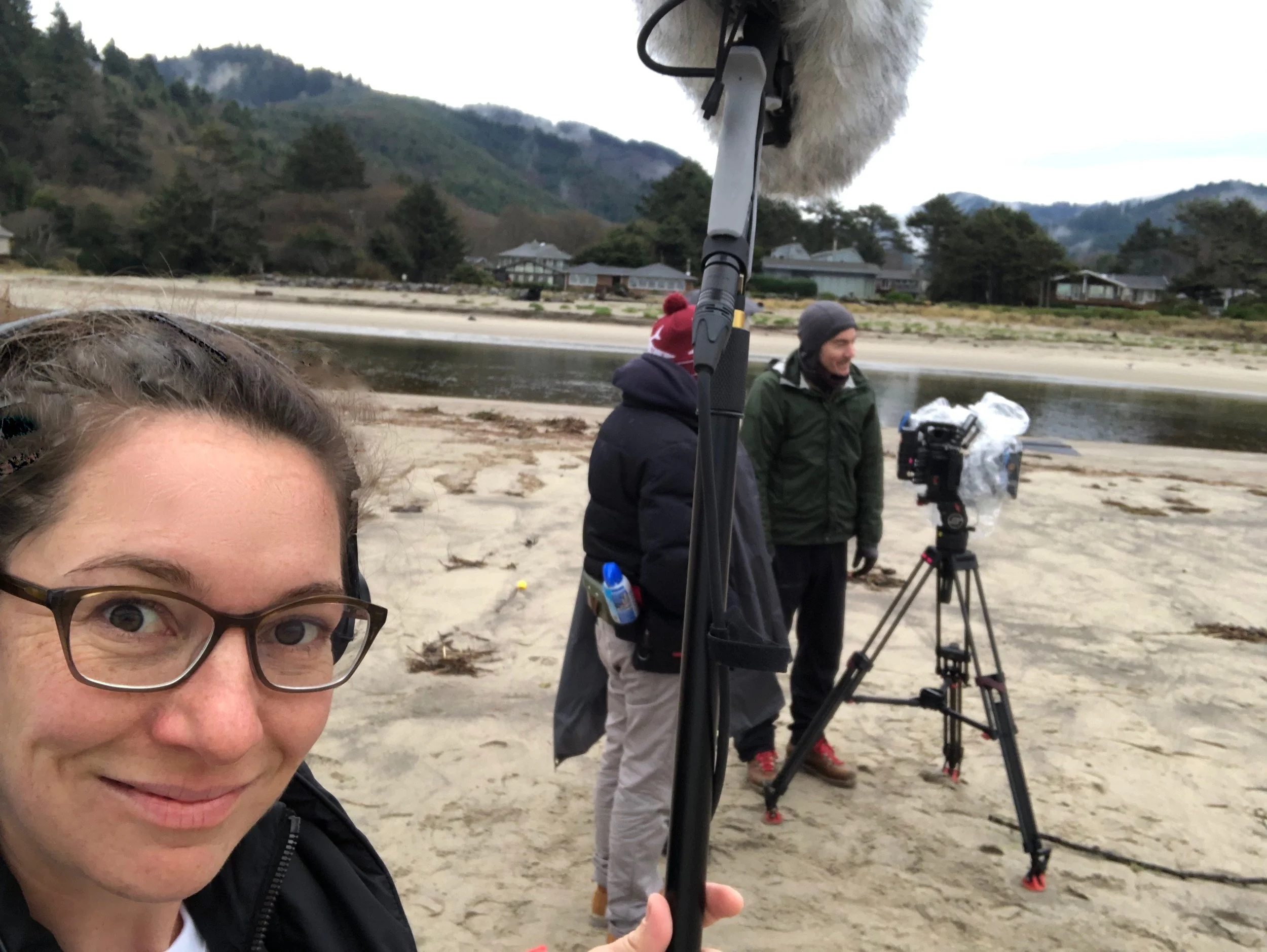
That’s me!
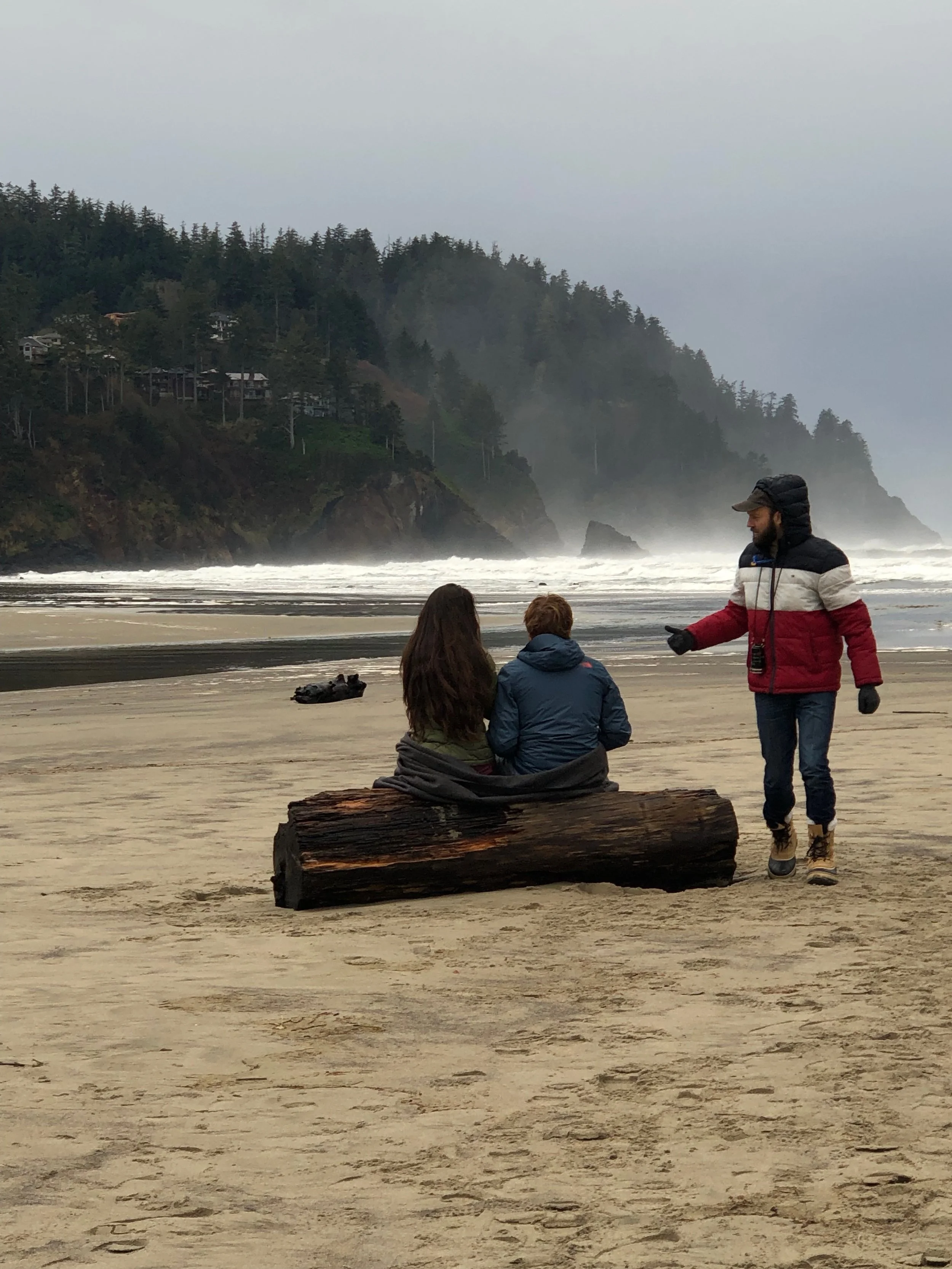
Taegen, the director, giving some last minute words to the lead actors before a take.

Action shot!
Day Six and the final day of shooting!
So of course, the last day of our shoot, when there are only 8 set-ups as opposed to 60 between the prior two days, that it stops raining. Completely sunny, although it was waaayyy colder. So, there’s that. I did have a fair amount of dialogue to record, as this is one of the last scenes of the film. The placement of the mic was somewhat awkward but nothing a little upper arm strength couldn’t handle. And just like that, we wrapped filming of Variance!
Next steps will be waiting for the final cut to get started on the music, however I’m currently listening to some film scores that the director has referenced to get my brain going. Since this is a sci-fi drama with some action, I anticipate some pretty intense music is in order. Stay tuned!
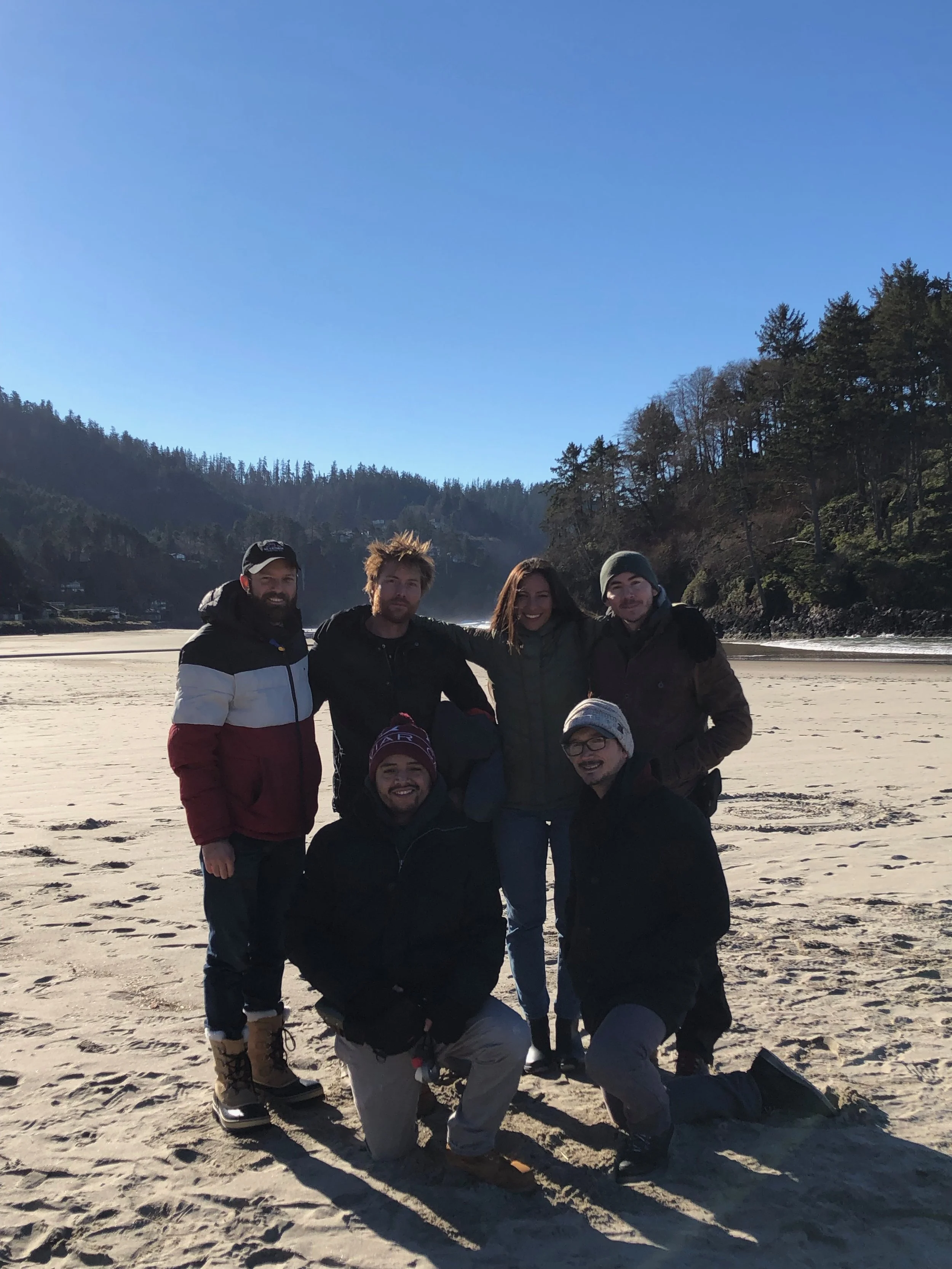
That’s a wrap!

It all starts here.....
My new blog is going to be more than just news updates, because a) those are boring b) too hard to keep up with and c) they are boring. Let’s try talking about some other more interesting topics instead!
Instead of writing news updates, which, let’s face it, can be rather boring, I’m going to try something different. I’m going to write blogs about things I find fascinating, cool, inspiring, challenging and the like. Mostly having to do with music and film, but maybe some other topics too. Because we’re more than just one side, right?